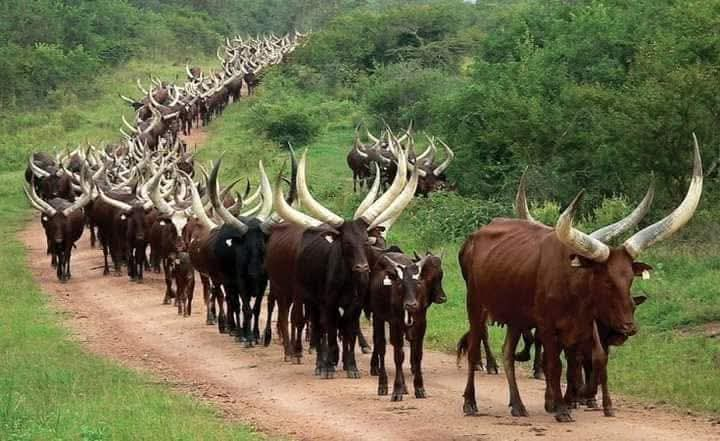
Indigenous Knowledge Systems
This centre studies indigenous knowledge, governance, language, heritage and social change as sources of insight and capability. Ecological, farming, weather, healing and peace knowledge are considered alongside community innovation. Knowledge holders help frame questions and determine appropriate use; documenting a practice does not by itself establish its safety or effectiveness.
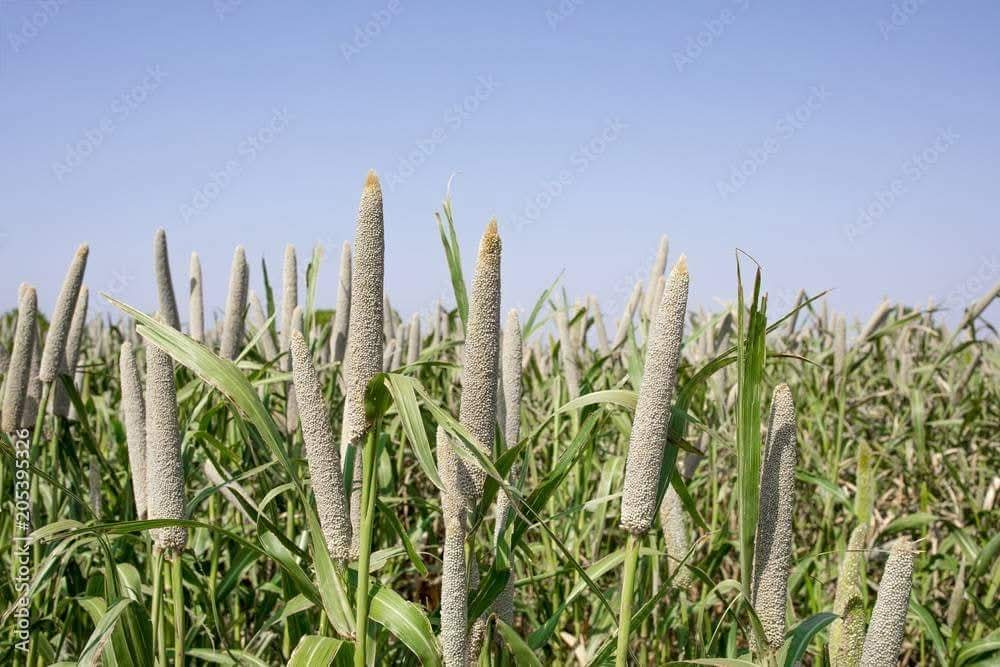
Living knowledge of crops, land and seasonality remains central to food systems and cultural heritage in savanna communities.
The agenda includes traditional authority, customary law, chieftaincy and other forms of community governance, including institutions without centralised chiefs. Research examines legitimacy, accountability, collective action and relationships with the state.
We explore indigenous languages, oral literature, festivals, material culture and cultural landscapes, including how knowledge and meaning pass between generations.
Research considers youth, gender, diaspora identities, social cohesion and cultural enterprise. Culture is approached as living and changing rather than fixed in the past.
Cultural Innovations
The Cultural Memory Commons supports community-governed documentation and learning. Knowledge holders help determine what is recorded, how it is interpreted and who can access it. Priorities include oral history, colonial legacies, migration, border-making and the ways historical experience shapes present institutions and opportunities.