This centre examines governance, identity, resources and cross-border economies to support locally relevant evidence for human security.
Land, Identity and Communal Disputes
The agenda includes tenure, chieftaincy disputes, resource competition, historical grievances and identity politics. Environmental change is examined alongside political and economic conditions rather than treated as a single cause of conflict.
Living Culture and Peaceful Neighbourliness
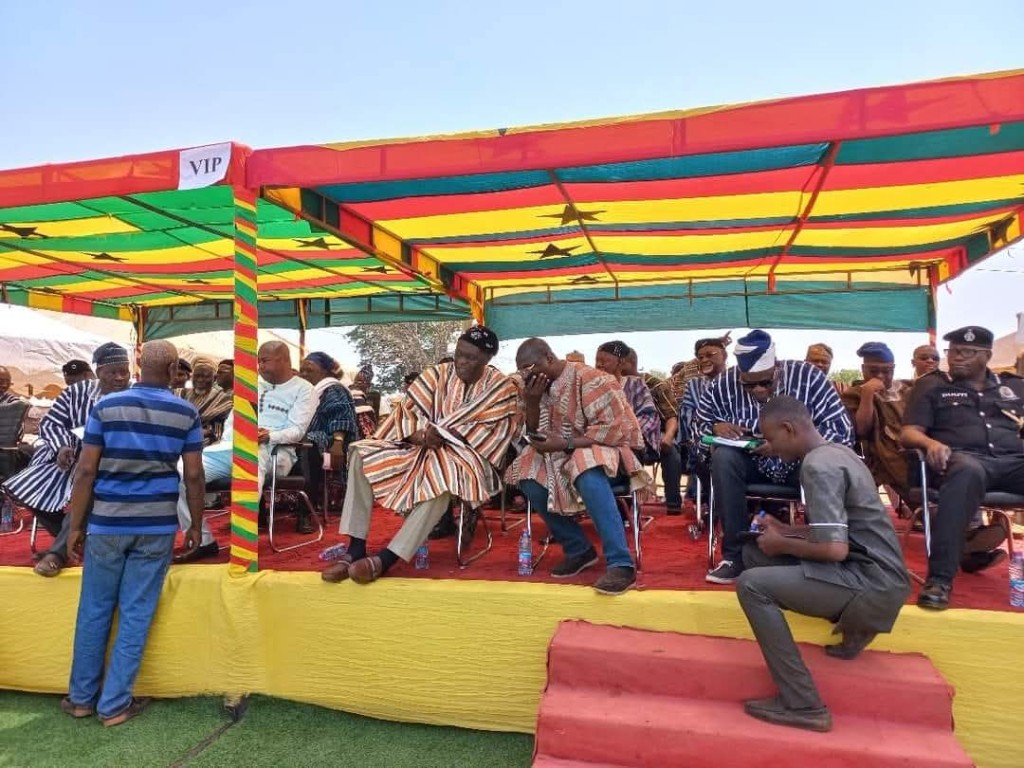
Community dialogue and cultural practice help sustain understanding across difference — core concerns for peacebuilding, governance and human security in borderland settings.
Research priorities include traditional and formal mediation, dialogue, reconciliation, restorative approaches and local institutions for peace.
Research covers cross-border trade, mobility, migration, informal institutions, state–community relations and access to services. Borderlands are considered as places of economic and social connection as well as risk.
We study interacting drivers of insecurity, recruitment vulnerabilities, protective factors, community prevention and regional cooperation. Context-sensitive analysis is essential to avoid stigmatising communities.
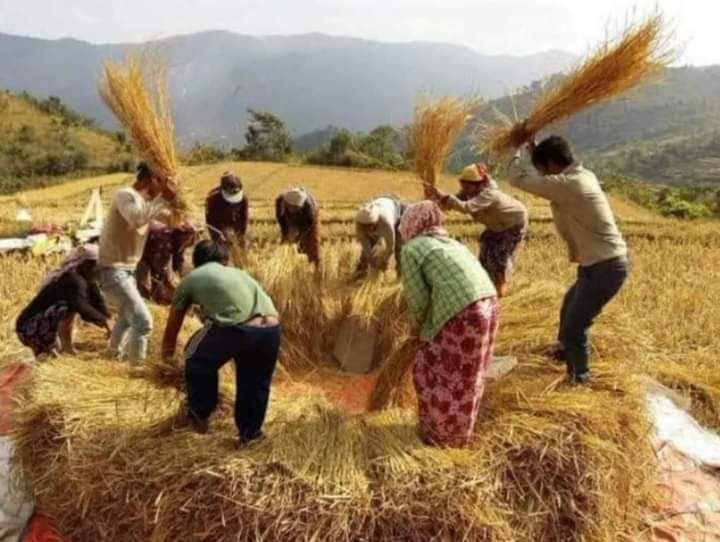
We examine livelihood insecurity, displacement, food access and the experiences of women and young people. The aim is to understand what enables people to live safely and participate in economic and community life.
Research in conflict-affected places must consider confidentiality, consent and the risks of identifying people or sensitive locations. Proposed assessments and early-warning work will need appropriate governance and locally legitimate partnerships.
The developing Bawku regeneration programme offers a potential setting for connecting evidence on livelihoods, assets, community priorities and conflict-sensitive investment.